Crafting an Exceptional User Experience: A Comprehensive Guide to UX Design
In today's digital landscape, user experience (UX) plays a pivotal role in shaping the success of products and services. This guide delves deep into the world of UX design, exploring its nuances and highlighting key elements that contribute to a seamless user interaction.
Let's embark on a journey to discover the art of creating captivating user experiences that leave a lasting impression.
UX design is not just about aesthetics; it's about understanding the needs and behaviors of users to create intuitive and engaging experiences. From user research to usability testing, each step in the UX design process is crucial in delivering a product that resonates with its audience.
What is UX?
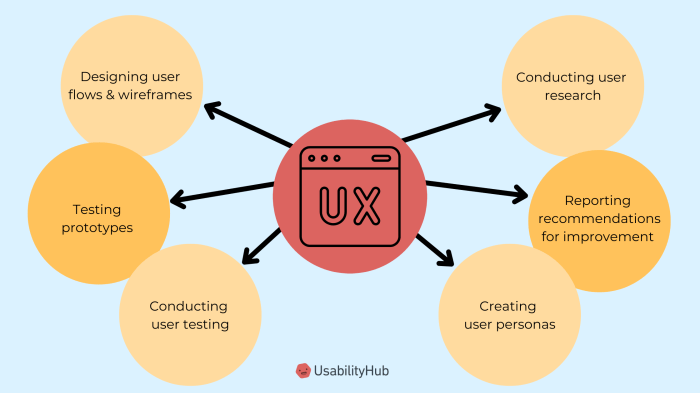
User Experience (UX) refers to the overall experience a person has when interacting with a product or service. It encompasses all aspects of the user's interaction, including the interface, graphics, and overall usability. UX is crucial in product design as it directly impacts how users perceive and engage with a product, ultimately influencing their satisfaction and loyalty.UX differs from User Interface (UI) in that UI focuses on the visual aspects of a product, such as buttons, menus, and layout, while UX considers the holistic experience and how a user feels when using the product.
UI is a subset of UX, as it contributes to the overall user experience but does not encompass all aspects of it.
Key Elements of Good UX Design
Creating a good UX design involves incorporating several key elements to ensure a seamless and enjoyable user experience:
- Clear Navigation: A well-organized navigation system helps users easily find what they are looking for.
- Consistent Design: Consistency in design elements like colors, fonts, and layouts enhances user familiarity and ease of use.
- Feedback and Responsiveness: Providing immediate feedback to user actions and ensuring responsiveness to interactions creates a dynamic user experience.
- Accessibility: Designing for accessibility ensures that all users, including those with disabilities, can effectively use the product.
- User-Centric Approach: Putting the user at the center of the design process, understanding their needs, and incorporating their feedback leads to a user-friendly experience.
User Research in UX Design
User research plays a crucial role in UX design by providing valuable insights into the needs and preferences of users. By understanding the target audience, designers can create products and services that are intuitive, user-friendly, and meet the expectations of users.
Significance of User Research
User research helps designers gain a deeper understanding of their target audience, allowing them to make informed decisions throughout the design process. It helps identify user needs, behaviors, and pain points, ultimately leading to the creation of more effective and user-centric designs.
- Interviews: Direct conversations with users to gather insights about their preferences, behaviors, and pain points.
- Surveys: Questionnaires distributed to a larger group of users to gather quantitative data on user preferences and opinions.
- Observational Studies: Observing users in their natural environment to understand how they interact with products or services.
- Usability Testing: Testing prototypes or existing products with users to identify usability issues and gather feedback for improvement.
Impact of User Research on UX Design
User research directly influences the UX design process by informing design decisions, validating assumptions, and ensuring that the final product meets the needs of the target audience. For example, conducting user interviews may reveal that users struggle with a particular feature, prompting designers to redesign it for better usability.
Similarly, usability testing can uncover issues that users encounter during interactions, leading to adjustments that enhance the overall user experience.
Usability Testing

Usability testing is a crucial aspect of UX design as it helps in evaluating how easy and efficient it is for users to interact with a product or system. By conducting usability testing, designers can identify any usability issues and make necessary improvements to enhance the overall user experience.
Types of Usability Testing Techniques
- Remote Usability Testing: This method involves testing the product with participants in their own environment, providing insights into real-world usage.
- Think-Aloud Testing: Participants verbalize their thoughts and actions while interacting with the product, revealing valuable insights into their decision-making process.
- Click Testing: Users are asked to perform specific tasks by clicking on areas of a design prototype, allowing designers to assess the effectiveness of the layout and navigation.
- AB Testing: Two versions of a design are compared to determine which one performs better in terms of user engagement and conversion rates.
Benefits of Usability Testing
- Identifying Pain Points: Usability testing helps in uncovering areas of friction or confusion within the design, allowing for targeted improvements.
- Enhancing User Satisfaction: By addressing usability issues, designers can create a more intuitive and enjoyable user experience, leading to higher user satisfaction.
- Improving Conversion Rates: Usability testing can optimize the user flow and design elements to increase conversions and achieve business goals.
Information Architecture
Information architecture in UX design refers to the organization and structure of content within a digital product or website. It involves creating a blueprint that Artikels how information is categorized, labeled, and interconnected to ensure a seamless user experience.
Role of Information Architecture
Effective information architecture plays a crucial role in creating intuitive user experiences by helping users easily find the information they need. It ensures that content is logically structured, making it simple for users to navigate and locate relevant information quickly.
- Organize Content Hierarchically: Arrange content in a hierarchy based on importance and relevance to guide users seamlessly through the information.
- Utilize Clear Navigation: Implement clear and intuitive navigation menus to help users move between different sections of the website or app.
- Consistent Labeling: Use consistent and clear labels for categories and sections to avoid confusion and help users understand the content easily.
- Implement Search Functionality: Include a search feature to allow users to directly search for specific information, improving accessibility.
Best Practices for Organizing Information
Effective organization of information in UX design involves following best practices to enhance user experience and ensure usability.
- Understand User Needs: Conduct user research to understand the target audience's preferences and behaviors to tailor the information architecture accordingly.
- Content Grouping: Group related content together to create logical associations and simplify navigation for users.
- Mobile Responsiveness: Ensure that the information architecture is responsive and adapts well to different screen sizes for a consistent user experience across devices.
- Iterative Testing: Continuously test and refine the information architecture through usability testing to identify any usability issues and make improvements.
Final Wrap-Up
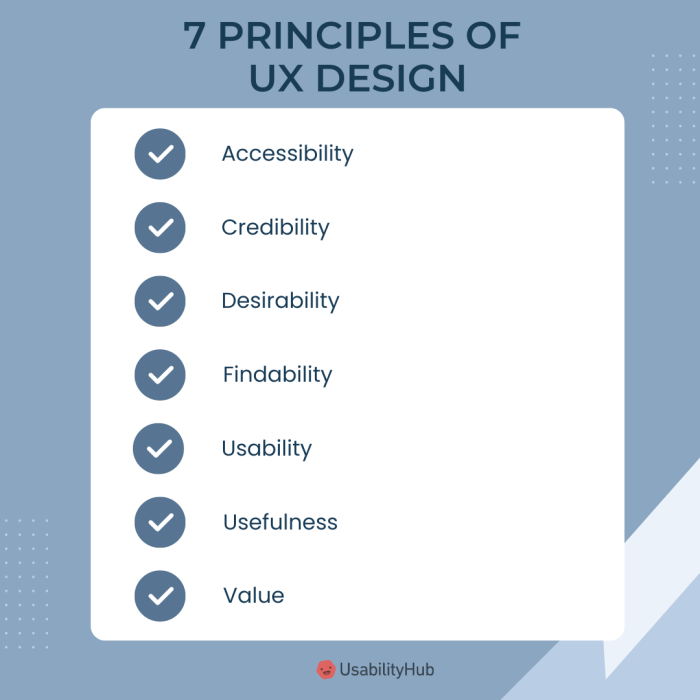
As we conclude this discussion on UX design, it becomes evident that prioritizing user experience is paramount in today's competitive market. By focusing on creating user-centric designs and incorporating best practices, businesses can elevate their products to new heights of success.
Embrace the power of UX design and witness the transformative impact it can have on your digital endeavors.
FAQ Corner
What is UX?
UX, or user experience, refers to the overall experience a person has when interacting with a product or service. It encompasses aspects such as usability, accessibility, and desirability.
How does UX differ from UI?
While UX focuses on the overall experience of users when interacting with a product, UI (user interface) specifically deals with the visual and interactive elements of the design.
Why is user research important in UX design?
User research helps designers understand user needs, behaviors, and preferences, enabling them to create designs that align with user expectations and enhance the overall experience.
What is information architecture in UX design?
Information architecture involves organizing and structuring information in a way that makes it easy for users to navigate and find what they need within a product or website.