Crafting a Stunning Home: House with Siding and Stucco
Embarking on the journey of exploring house with siding and stucco, this introduction sets the stage for a captivating discussion on the unique features and benefits of this architectural combination.
Delving deeper into the realm of siding and stucco, we uncover the essence of these elements in modern home design.
Introduction to House with Siding and Stucco
When it comes to the exterior of a house, siding and stucco are two common materials used for construction. Siding refers to the outer covering or cladding of a house, typically made of materials like vinyl, wood, or fiber cement.
On the other hand, stucco is a plaster-like material applied to the exterior walls of a building for a smooth or textured finish.
Differences between Siding and Stucco
While both siding and stucco serve as protective layers for a house, they differ in terms of materials and application. Siding comes in a variety of materials and styles, offering versatility in design and color options. On the contrary, stucco is a more traditional and durable option, providing a seamless and weather-resistant finish to the exterior walls.
Popularity of Siding and Stucco in Modern Home Construction
In modern home construction, siding and stucco remain popular choices for homeowners and builders alike. Siding offers a cost-effective and low-maintenance solution with a wide range of customization options. Stucco, on the other hand, provides a classic and elegant look that enhances the curb appeal of a house while offering excellent durability against the elements.
Both siding and stucco continue to be preferred options for their aesthetic appeal and functional benefits in contemporary architecture.
Benefits of Using Siding and Stucco
Siding and stucco are popular choices for house exteriors due to their numerous benefits. Both materials offer unique advantages that contribute to the overall durability and aesthetics of a home.
Advantages of Siding for a House Exterior
- Low Maintenance: Siding materials such as vinyl and fiber cement require minimal upkeep, saving homeowners time and money on repairs.
- Versatility: Siding comes in a variety of colors, styles, and textures, allowing homeowners to customize their home's appearance to suit their preferences.
- Energy Efficiency: Insulated siding can improve a home's energy efficiency by reducing heat loss during the winter and keeping the interior cool in the summer.
- Weather Resistance: Quality siding materials are designed to withstand harsh weather conditions, protecting the home from moisture, wind, and UV rays.
Benefits of Stucco as a Building Material
- Durability: Stucco is a long-lasting material that can withstand years of exposure to the elements without deteriorating, making it a cost-effective choice for homeowners.
- Fire Resistance: Stucco is non-combustible, providing an added layer of protection against fires and increasing the safety of the home.
- Customizable Finish: Stucco can be tinted to various colors and textures, allowing homeowners to achieve a unique and personalized look for their home's exterior.
- Low Maintenance: Stucco requires minimal maintenance and can be easily cleaned with water and a mild detergent, reducing the need for frequent repairs.
Comparison of Durability: Siding vs. Stucco
| Siding | Stucco | |
|---|---|---|
| Longevity | Depending on the material, siding can last 20-40 years with proper maintenance. | Stucco has a lifespan of 50-80 years or more, making it a highly durable option. |
| Weather Resistance | Quality siding materials are designed to withstand various weather conditions but may require periodic maintenance. | Stucco is highly resistant to weather damage and can endure extreme conditions without deteriorating. |
| Maintenance | Siding may require occasional cleaning and repairs, depending on the material used. | Stucco is low maintenance and typically only needs cleaning every few years to maintain its appearance. |
Design Options and Varieties
When it comes to designing a house with siding and stucco, there are various options and varieties to choose from to achieve a unique and attractive look.
Types of Siding
- Vinyl Siding: A popular choice due to its durability, low maintenance, and wide range of colors and textures.
- Fiber Cement Siding: Resistant to rot, fire, and termites, offering a natural wood-like appearance.
- Wood Siding: Provides a traditional and rustic look, available in different styles such as clapboard, shingles, and shakes.
- Brick Siding: Offers a classic and timeless appeal, known for its strength and longevity.
Textures and Colors of Stucco Finishes
- Smooth Finish: Creates a sleek and modern appearance, ideal for contemporary designs.
- Rough Finish: Adds texture and depth to the exterior, giving a more rustic and traditional look.
- Swirl Finish: Features a unique swirling pattern, adding visual interest and character to the stucco surface.
- Custom Colors: Stucco can be customized to match any color scheme, offering endless possibilities for personalization.
Combining Siding and Stucco
Combining siding and stucco on a house can result in a striking and distinctive aesthetic. By using different materials for different sections of the exterior, homeowners can create visual contrast and enhance the overall design. For example, pairing wood siding with a stucco finish can blend traditional and modern elements for a truly unique look.
Maintenance and Care
Regular maintenance is essential for keeping your house with siding and stucco looking great and functioning properly. Here are some tips on maintaining and cleaning siding, explaining the upkeep required for stucco exteriors, and how to address common issues with siding and stucco.
Tips for Maintaining and Cleaning Siding
- Regularly inspect the siding for any signs of damage, such as cracks or loose panels.
- Clean the siding at least once a year using a mild detergent and a soft brush or cloth to remove dirt and grime.
- Avoid using pressure washers, as they can damage the siding material.
- Trim any overhanging trees or bushes to prevent them from scratching or damaging the siding.
- Consider applying a fresh coat of paint or sealant every few years to protect the siding from the elements.
Upkeep Required for Stucco Exteriors
- Inspect the stucco for any cracks or chips, as these can allow moisture to seep in and cause damage.
- Regularly clean the stucco surface using a mild detergent and a soft brush to remove dirt and stains.
- Reapply a fresh coat of stucco sealant every few years to protect the surface from water damage and cracking.
- Monitor the caulking around windows and doors to ensure a tight seal and prevent water intrusion.
Addressing Common Issues with Siding and Stucco
- If you notice any signs of water damage or mold on your siding, address the issue immediately to prevent further damage.
- For stucco exteriors, be on the lookout for efflorescence, a white powdery substance that can indicate water damage.
- Cracks in stucco should be repaired promptly to prevent moisture from seeping into the walls and causing structural damage.
- If you spot any signs of insect infestation, such as termites or ants, take action to eliminate the pests and repair any damage they may have caused.
Cost Considerations
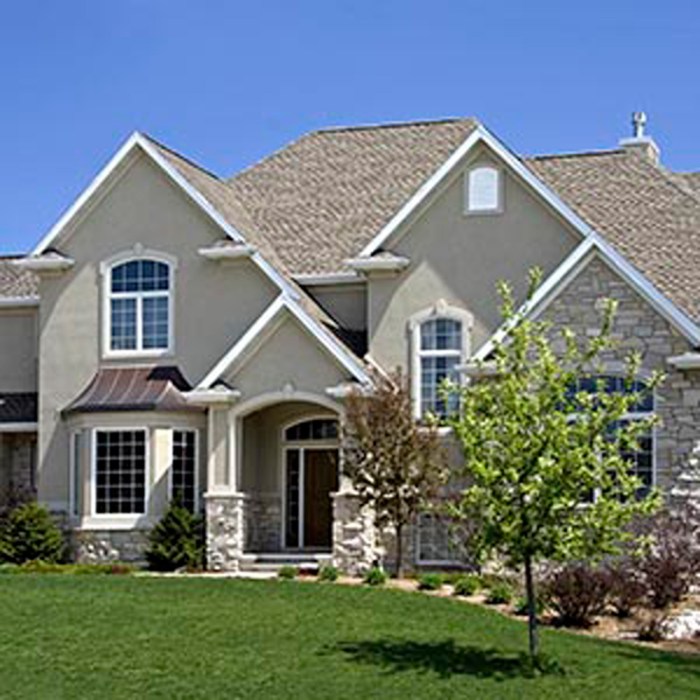
When it comes to choosing between siding and stucco for your home, cost is a major factor to consider. Let's break down the cost considerations associated with each option to help you make an informed decision.
Cost Factors for Installing Siding
Installing siding on your house involves several cost factors to consider:
- The type of siding material chosen, such as vinyl, wood, fiber cement, or metal, will greatly impact the overall cost.
- The size of your home and the amount of siding needed will also affect the total cost of installation.
- Labor costs for hiring professionals to install the siding can vary depending on the complexity of the job and local labor rates.
- Additional costs for insulation, trim work, and any necessary repairs or preparation before installation should be factored into the budget.
Expenses Involved in Applying Stucco to a House
Applying stucco to a house comes with its own set of expenses:
- The cost of stucco material itself, which can vary based on the quality and type of stucco chosen.
- Labor costs for the skilled application of stucco on the exterior of your home.
- Additional costs for any necessary repairs, surface preparation, or priming before the stucco can be applied.
- Costs for finishing touches, such as painting or sealing the stucco for added protection and aesthetics.
Long-Term Costs of Siding vs. Stucco Maintenance
When comparing the long-term costs of siding versus stucco, maintenance is a key factor to consider:
- Siding typically requires regular cleaning, painting, or repairs over time to maintain its appearance and structural integrity, which can add up in terms of ongoing maintenance costs.
- Stucco, on the other hand, is known for its durability and low maintenance requirements. While it may need occasional touch-ups or repairs, stucco generally requires less maintenance compared to siding materials.
- Considering the long-term maintenance costs of both siding and stucco can help you determine which option is more cost-effective in the years to come.
Ending Remarks
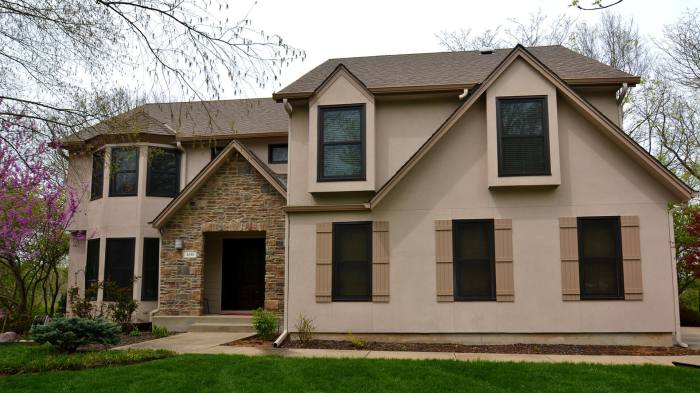
Bringing our exploration to a close, we reflect on the beauty and practicality of house with siding and stucco, a harmonious blend that offers both style and functionality to homeowners.
FAQ
What are the main differences between siding and stucco?
Siding is typically made of materials like vinyl or wood and is installed in overlapping horizontal rows, while stucco is a cement-based material applied in layers to create a smooth finish.
How do I maintain stucco exteriors?
Regularly inspect for cracks or damage, clean with a mild detergent and water solution, and repaint every few years to keep the stucco looking fresh.
Can siding and stucco be used together in home design?
Absolutely! Combining siding and stucco can create a visually appealing contrast and add dimension to the exterior of a house.