Exploring AutoCAD Architecture: A Comprehensive Guide
Embark on a journey through the world of AutoCAD Architecture, where design meets innovation and precision. Discover the unique features and capabilities that set this software apart, revolutionizing architectural workflows and projects.
Learn about the user interface, drawing techniques, collaboration tools, and customization options that make AutoCAD Architecture a top choice for architects and designers worldwide.
Overview of AutoCAD Architecture
AutoCAD Architecture is a specialized software developed by Autodesk for architectural design professionals. It is a version of AutoCAD specifically tailored to the needs of architects and designers, offering tools and features that streamline the design process and enhance productivity.
Purpose of AutoCAD Architecture
AutoCAD Architecture serves as a comprehensive solution for architectural drafting and documentation. It enables architects to create precise 2D and 3D drawings, generate floor plans, sections, elevations, and construction details, and collaborate with other design professionals seamlessly.
Key Features of AutoCAD Architecture
- Architectural Object Styles: Allows users to create and modify architectural elements such as walls, doors, windows, and roofs with ease.
- Building Information Modeling (BIM) Capabilities: Supports the creation of intelligent building models with data-rich elements for better project visualization and coordination.
- Automated Documentation: Generates schedules, material takeoffs, and construction documents automatically to streamline the documentation process.
- Parametric Components: Enables the creation of dynamic architectural elements that can be easily modified and updated throughout the design process.
Common Uses of AutoCAD Architecture
AutoCAD Architecture is commonly used in various industries and projects, including:
- Residential Design: Creating floor plans, elevations, and construction drawings for residential buildings.
- Commercial Projects: Designing office buildings, retail spaces, and commercial structures with detailed documentation.
- Interior Design: Visualizing interior spaces, creating furniture layouts, and coordinating finishes and materials.
- Renovation and Restoration: Planning renovations, additions, and historical preservation projects with precision.
User Interface and Tools
When working with AutoCAD Architecture, users interact with a user-friendly interface that is specifically tailored to the needs of architectural design professionals. The interface consists of various tools and features that streamline the design process and enhance productivity.
Layout of the User Interface
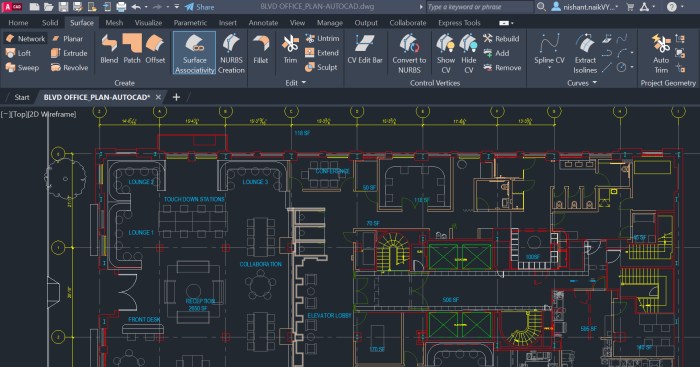
The user interface of AutoCAD Architecture is divided into different panels and tabs to provide easy access to tools and commands. The main components include the ribbon at the top, which contains various tabs such as Home, Insert, Annotate, and View, each housing specific tools related to the respective functions.
The drawing area occupies the center of the screen, where users create and modify architectural designs. The Properties Palette displays relevant properties of selected objects, allowing for quick editing, while the Project Navigator helps manage project files efficiently.
Primary Tools in AutoCAD Architecture
Walls
Users can easily create walls by specifying their properties such as height, width, and materials.
Doors and Windows
The software offers a wide range of customizable door and window styles to insert into walls.
Roofs
AutoCAD Architecture provides tools for creating various roof types, including flat, gable, hip, and shed roofs.
Stairs and Railings
Designing staircases and railings is simplified with predefined components that can be customized as needed.
Sections and Elevations
Users can generate detailed sections and elevations of the building to visualize the design in 3D.
Comparison with Other CAD Software
Compared to general-purpose CAD software, AutoCAD Architecture offers specialized tools tailored to the needs of architectural design professionals. While other CAD software may provide basic drawing tools, AutoCAD Architecture includes specific features such as parametric walls, intelligent door and window objects, and automated documentation tools that streamline the architectural design process.
This specialization makes AutoCAD Architecture a preferred choice for architects and designers looking for efficiency and precision in their work.
Drawing and Drafting in AutoCAD Architecture
Creating architectural drawings in AutoCAD Architecture involves utilizing a variety of tools and commands to accurately represent the design of a building or structure. The software provides a platform for architects and designers to draft floor plans, elevations, sections, and other architectural drawings with precision and efficiency.
Efficient Drafting Tips in AutoCAD Architecture
- Utilize layers effectively: Organize your drawing elements into different layers to control visibility and manage the various components of your design.
- Master the use of snaps and grid: Take advantage of snap settings and gridlines to ensure accurate alignment and placement of elements in your drawing.
- Use dynamic blocks: Create reusable and customizable objects with dynamic blocks to streamline the drafting process and maintain consistency in your drawings.
- Explore parametric constraints: Apply constraints to geometric elements to maintain relationships and proportions within your design, facilitating modifications and updates.
- Leverage annotation and dimensioning tools: Add text, labels, and dimensions to your drawings to communicate information clearly and accurately.
Importance of Precision and Accuracy in Architectural Drawings
Architectural drawings produced with AutoCAD Architecture must uphold a high standard of precision and accuracy to ensure the successful implementation of the design in real-world construction. The following reasons highlight the importance of precision in architectural drafting:
- Construction compatibility: Accurate drawings help contractors and builders interpret the design accurately, leading to a smooth construction process without errors or discrepancies.
- Client communication: Precise drawings aid in effectively communicating the design intent to clients, ensuring their expectations are met and revisions are minimized.
- Regulatory compliance: Architectural drawings serve as legal documents for obtaining permits and approvals, requiring precise measurements and details to meet building code requirements.
- Cost efficiency: Accurate drawings reduce the likelihood of rework and construction errors, ultimately saving time and resources during the building process.
Building Information Modeling (BIM) in AutoCAD Architecture
Building Information Modeling (BIM) is an integral part of AutoCAD Architecture, enhancing the design process by providing a comprehensive digital representation of a building's physical and functional characteristics. This allows architects, engineers, and construction professionals to collaborate more effectively and make informed decisions throughout the project lifecycle.
Integration of BIM Capabilities
By incorporating BIM capabilities, AutoCAD Architecture enables users to create intelligent 3D models that contain not only geometric information but also data related to materials, quantities, and spatial relationships. This integration streamlines the design process, improves accuracy, and facilitates communication among project stakeholders.
Enhancing Architectural Design Process
BIM enhances the architectural design process in AutoCAD Architecture by allowing architects to visualize their designs in a realistic 3D environment, perform clash detection to identify conflicts early on, and generate accurate construction documentation. This level of detail and coordination results in improved efficiency and reduced errors during the construction phase.
Utilization of BIM Data
In AutoCAD Architecture, BIM data is utilized for project coordination and analysis in various ways. For example, architects can extract quantities for cost estimation, analyze energy performance through simulations, and create schedules for project timelines. The ability to leverage BIM data within the software enhances decision-making and helps optimize the overall design and construction process.
Collaboration and Sharing
Collaboration and sharing are essential aspects of working on team projects in AutoCAD Architecture. This software provides various features to facilitate seamless collaboration among team members, ensuring efficient project management and coordination.
Collaborative Features in AutoCAD Architecture
- Multi-user access: AutoCAD Architecture allows multiple users to work on the same project simultaneously, enabling real-time collaboration and communication.
- Cloud storage integration: Files can be stored and accessed on cloud platforms, making it convenient for team members to share and manage project data.
- Version control: AutoCAD Architecture offers version control features to track changes made by different users, ensuring data integrity and avoiding conflicts.
- Markup tools: Users can add comments, annotations, and markups to drawings, facilitating communication and feedback within the team.
Customization and Extensions
Customization and extensions play a crucial role in tailoring AutoCAD Architecture to meet specific project requirements and enhance user productivity. Let's delve into the options available for customizing the workspace and settings, as well as explore the extensions or plugins that can further expand the functionality of AutoCAD Architecture.
Customizing the Workspace and Settings
Customizing the workspace in AutoCAD Architecture allows users to optimize their workflow and improve efficiency. Some of the key options for customization include:
- Personalizing tool palettes, ribbon panels, and menus to access frequently used tools easily.
- Adjusting display settings such as colors, linetypes, and object properties for better visualization.
- Creating custom templates for drawing sheets, title blocks, and annotation styles to maintain consistency across projects.
- Setting up keyboard shortcuts and command aliases for quick command execution.
Extensions and Plugins
Extensions or plugins are third-party add-ons that can be integrated with AutoCAD Architecture to enhance its capabilities. Some popular extensions include:
- Autodesk App Store: Offers a wide range of plugins for AutoCAD Architecture, including specialized tools for architectural design, rendering, and documentation.
- AutoCAD Architecture Toolsets: Provides additional features and functionalities tailored specifically for architectural design and drafting tasks.
- BIM 360: Enables collaboration and project management within AutoCAD Architecture, facilitating seamless communication among team members.
Tailoring AutoCAD Architecture for Specific Projects
Users can customize AutoCAD Architecture to suit the requirements of specific projects by:
- Creating custom object styles and building components to match project standards and design aesthetics.
- Utilizing dynamic blocks and parametric constraints for flexible design iterations and quick modifications.
- Integrating external data sources and APIs to automate repetitive tasks and streamline workflows.
- Implementing industry-specific plugins or extensions to address specialized design challenges and optimize project outcomes.
Last Word
In conclusion, AutoCAD Architecture offers a seamless blend of functionality and creativity, empowering users to bring their architectural visions to life with unparalleled efficiency and accuracy. Dive into the realm of AutoCAD Architecture and elevate your design experience today.
Question & Answer Hub
How is AutoCAD Architecture different from standard AutoCAD?
AutoCAD Architecture is specialized for architectural design, offering tools and features tailored to the needs of architects, such as parametric components and style-based elements.
Can multiple users work on the same project simultaneously in AutoCAD Architecture?
Yes, AutoCAD Architecture supports collaboration by allowing multiple users to work on the same project concurrently using cloud-based sharing and real-time updates.
Are there any plugins available to enhance AutoCAD Architecture's functionality?
Yes, there are various extensions and plugins designed to augment AutoCAD Architecture, providing additional tools for tasks like rendering, 3D modeling, and project management.