Crafting the Perfect Mediterranean Interior Design: A Detailed Guide
As mediterranean interior design takes center stage, this opening passage beckons readers into a world crafted with good knowledge, ensuring a reading experience that is both absorbing and distinctly original.
Mediterranean interior design is a captivating fusion of history, culture, and design principles that create a warm and inviting space. From the use of natural materials to the vibrant color schemes, every element tells a story of a rich heritage that continues to inspire modern interiors.
Overview of Mediterranean Interior Design
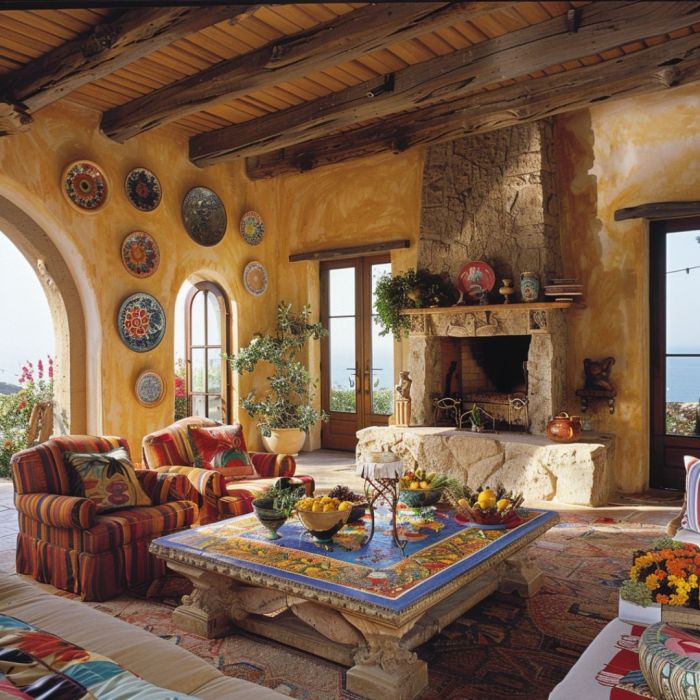
Mediterranean interior design is characterized by a warm and inviting aesthetic that draws inspiration from the countries surrounding the Mediterranean Sea. The key characteristics of this style include earthy tones, natural materials, and intricate patterns. Historically, Mediterranean interior design has been influenced by the architecture and decor of countries such as Spain, Italy, Greece, and Morocco.
These regions have a rich cultural heritage that is reflected in their design elements.
Color Schemes
One of the hallmarks of Mediterranean interior design is the use of vibrant and bold colors. Common color schemes include:
- Earthy tones such as terracotta, ochre, and olive green
- Rich blues and greens inspired by the sea and sky
- Warm yellows and oranges reminiscent of the Mediterranean sun
Elements of Mediterranean Interior Design
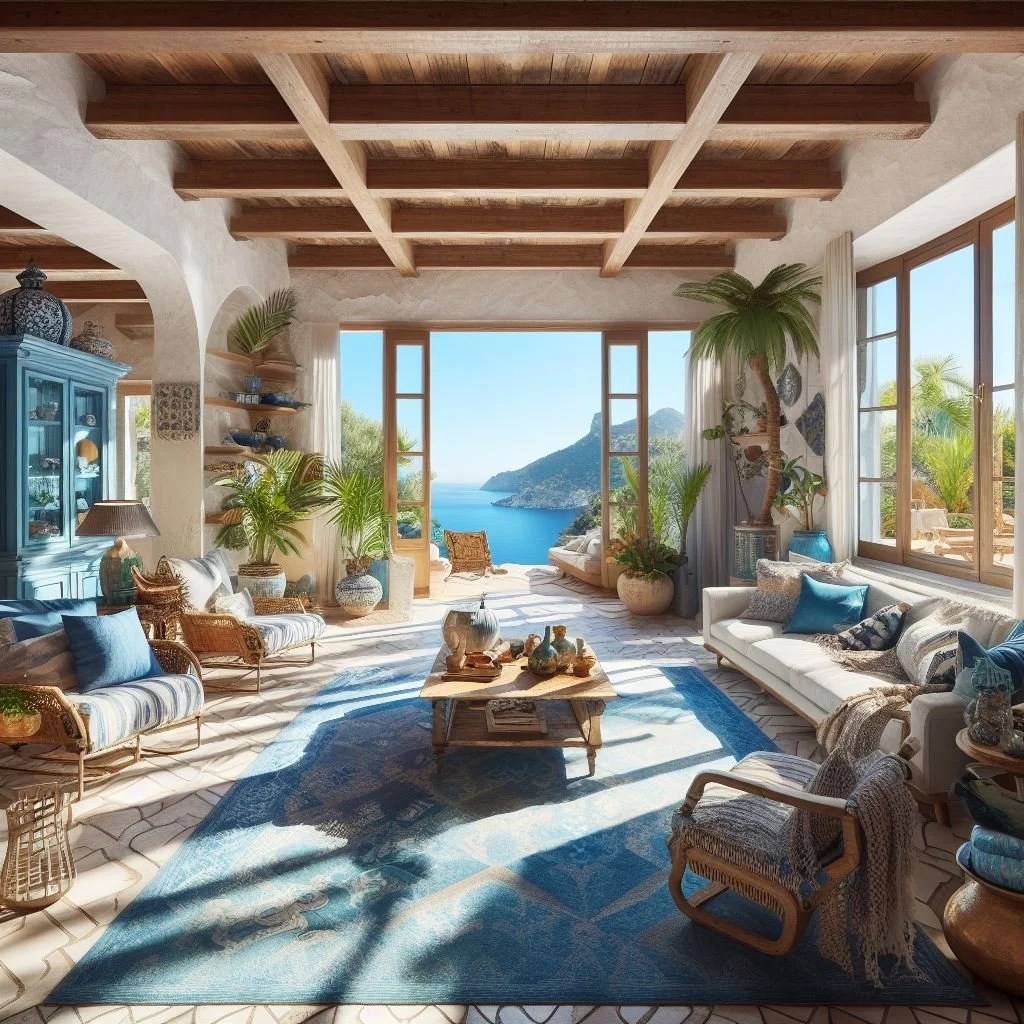
In Mediterranean interior design, the use of natural materials like stone, wood, and terracotta plays a crucial role in creating a warm and inviting atmosphere. These elements are key in capturing the essence of the Mediterranean region.
Use of Natural Materials
- Stone: Stone is often used for flooring, walls, and even countertops in Mediterranean interiors. It adds a rustic and earthy feel to the space, creating a sense of timeless elegance.
- Wood: Wood beams, furniture, and accents are commonly found in Mediterranean design. The warmth and richness of wood bring a cozy and welcoming vibe to the room.
- Terracotta: Terracotta tiles are a staple in Mediterranean interior design, especially in areas like kitchens and patios. The warm hues of terracotta add a touch of Mediterranean charm to the space.
Importance of Texture
- Texture is essential in Mediterranean interior design to add depth and visual interest to the space. Rough textures like stone walls or wood beams contrast beautifully with smooth surfaces, creating a harmonious balance.
- Incorporating textiles like woven rugs, tapestries, and plush fabrics also adds texture and a sense of coziness to the room. The layering of different textures enhances the overall aesthetic of Mediterranean interiors.
Natural Light
- Natural light is a key element in Mediterranean interior design, as it reflects the bright and sunny climate of the region. Large windows, skylights, and glass doors are often used to maximize natural light and create a sense of openness and airiness.
- The play of light and shadow through these openings enhances the warm color palette and natural materials used in Mediterranean interiors, creating a vibrant and inviting space.
Furniture and Decor in Mediterranean Interior Design
Mediterranean interior design is known for its warm and inviting aesthetic, which is often achieved through the use of specific furniture and decor elements. Let's explore the key components that make up this style.
Types of Furniture in Mediterranean Interiors
In Mediterranean interior design, you'll often find furniture pieces that are rustic, yet elegant. Common types of furniture include:
- Wooden tables and chairs with intricate carvings
- Wrought iron bed frames and light fixtures
- Leather sofas and armchairs
- Rustic wooden cabinets and dressers
Decorative Elements in Mediterranean Interior Design
Mediterranean interiors are also characterized by the use of decorative elements that add charm and character to the space. These include:
- Mosaic tiles in vibrant colors and intricate patterns
- Wrought iron accents on furniture, mirrors, and light fixtures
- Ceramic pottery and vases in various shapes and sizes
- Terra cotta floor tiles and decorative accents
Incorporating Mediterranean-Inspired Decor into Modern Spaces
To bring a touch of Mediterranean flair into modern spaces, consider incorporating the following elements:
- Choose furniture with Mediterranean-inspired details, such as carved wood or wrought iron accents
- Add pops of color with vibrant mosaic tiles or ceramic decor pieces
- Opt for warm and earthy tones in your color palette to create a cozy atmosphere
- Accessorize with textiles like Moroccan rugs or Mediterranean-inspired throw pillows
Color Palette and Textiles in Mediterranean Interior Design
Mediterranean interior design is known for its warm and earthy color palette that reflects the natural elements of the region. These colors typically include shades of terracotta, ochre, olive green, and azure blue, creating a sense of warmth and tranquility in the space.
Warm and Earthy Color Palette
The warm and earthy color palette in Mediterranean interior design is inspired by the sun-drenched landscapes of the Mediterranean region. These colors evoke a sense of relaxation and comfort, making the space feel inviting and cozy. To achieve this look, consider using colors like terracotta for walls, ochre for accents, olive green for furniture, and azure blue for textiles such as curtains or throw pillows.
Textiles in Mediterranean Interiors
Textiles play a crucial role in Mediterranean interior design, adding texture and warmth to the space. Commonly used fabrics include linen, cotton, and wool, which are breathable and have a natural feel that complements the overall aesthetic. Incorporate these textiles through upholstery, curtains, rugs, and throw blankets to enhance the Mediterranean look and feel of the room.
Mixing Patterns and Textures
To achieve a true Mediterranean aesthetic, it's essential to mix patterns and textures in a cohesive way. Consider combining striped or geometric patterns with solid colors to add visual interest without overwhelming the space. Incorporate textured fabrics like woven baskets, rattan furniture, and embroidered pillows to create a layered and inviting atmosphere in your Mediterranean-inspired interior.
Architectural Features in Mediterranean Interior Design
Mediterranean interior design is characterized by a unique blend of architectural elements that create a warm and inviting atmosphere in homes. Key features such as arches, columns, and vaulted ceilings play a significant role in defining the aesthetic of Mediterranean interiors.
Arches
Arches are a prominent architectural feature in Mediterranean interior design, adding a sense of elegance and grandeur to spaces. They can be found in doorways, windows, and passageways, creating a seamless flow between rooms and enhancing the overall visual appeal of the design.
Columns
Columns are another essential element in Mediterranean architecture, serving both structural and decorative purposes. These sturdy pillars can be seen supporting arches, balconies, and ceilings, adding a touch of sophistication and classical charm to the interior spaces.
Vaulted Ceilings
Vaulted ceilings are common in Mediterranean homes, providing a sense of airiness and spaciousness to rooms. These curved ceilings not only create a visually striking look but also help in regulating temperature and improving acoustics within the space.
Open Floor Plans
Open floor plans are a hallmark of Mediterranean homes, allowing for a seamless transition between indoor and outdoor living spaces. This layout enhances the flow of natural light and ventilation while promoting a sense of interconnectedness and unity throughout the home.
Integration of Outdoor Spaces
Mediterranean interior design often incorporates outdoor spaces like courtyards, terraces, and patios into the overall layout. By blurring the lines between indoor and outdoor living, homeowners can enjoy a harmonious connection with nature and create a relaxing oasis within their homes.
Final Summary
In conclusion, Mediterranean interior design offers a timeless allure that seamlessly blends tradition with modernity. By incorporating key elements like natural materials, warm color palettes, and architectural features, you can recreate the charm of the Mediterranean region in your own home.
Let your space reflect the beauty and elegance of this iconic design style, making every day feel like a Mediterranean getaway.
Essential Questionnaire
What are the key characteristics of Mediterranean interior design?
Mediterranean interior design is known for its use of natural materials, warm color palettes, and traditional architectural elements like arches and vaulted ceilings.
How can I incorporate Mediterranean-inspired decor into a modern space?
You can incorporate Mediterranean-inspired decor into modern spaces by using elements like mosaic tiles, wrought iron, and ceramics as decorative accents.
What types of furniture are typically found in Mediterranean interiors?
Mediterranean interiors often feature furniture made from natural materials such as wood, wrought iron, and rattan to create a rustic yet elegant look.