Enhancing Your Living Room with Wall Sconces: A Comprehensive Guide
Wall sconces are a versatile and stylish lighting option that can transform the ambiance of your living room. From modern to traditional styles, there is a wide range of choices to suit every taste. Let's delve into the world of wall sconces for living rooms and explore how they can elevate your space.
In this guide, we will discuss different types of wall sconces, placement and installation tips, lighting design ideas, material options, and much more to help you make informed decisions for your living room.
Types of Wall Sconces for Living Room
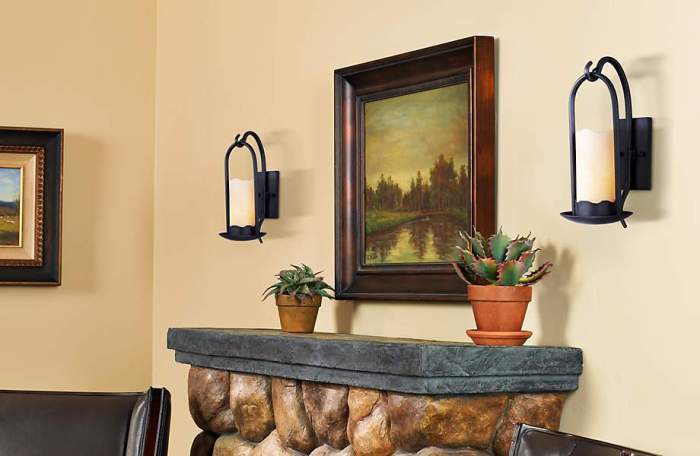
Wall sconces are a great way to add both functional and decorative lighting to a living room. There are various types of wall sconces that can enhance the ambiance of your living space, whether you prefer a modern or traditional style.
Modern Wall Sconces
Modern wall sconces feature sleek designs, clean lines, and often incorporate materials like chrome, brushed nickel, or glass. These sconces are perfect for creating a contemporary look in your living room. They provide a minimalist touch while still offering ample lighting to brighten up the space.
Modern wall sconces can add a touch of sophistication and elegance to your living room.
Traditional Wall Sconces
On the other hand, traditional wall sconces are characterized by ornate details, intricate designs, and warm finishes like bronze or brass. These sconces evoke a sense of classic charm and timeless elegance, making them ideal for creating a cozy and inviting atmosphere in your living room.
Traditional wall sconces often feature decorative elements like scrollwork or crystal accents, adding a touch of luxury to your space.
Comparison Between Modern and Traditional Styles
- Modern wall sconces are more minimalist and sleek, while traditional wall sconces are more ornate and decorative.
- Modern wall sconces usually feature neutral colors and simple shapes, whereas traditional wall sconces may have rich finishes and intricate designs.
- Modern wall sconces are perfect for creating a contemporary and streamlined look, while traditional wall sconces are great for adding a touch of classic elegance and sophistication.
Placement and Installation
When it comes to wall sconces in the living room, proper placement and installation are crucial to achieving the desired ambiance and functionality. Here are some tips and steps to ensure you get it right.
Ideal Placement of Wall Sconces
- Consider the height: Wall sconces should be installed at eye level to provide adequate lighting without causing glare.
- Spacing: Place wall sconces about 6-8 feet apart to ensure even lighting across the room.
- Avoid blocking: Make sure the sconces are not obstructed by furniture or decor to maximize their lighting effect.
Importance of Room Layout and Furniture
- Assess the room: Take into account the layout of the room and the placement of furniture to determine the best locations for wall sconces.
- Enhance decor: Wall sconces can complement the existing decor and accentuate certain features in the room when strategically placed.
- Avoid shadows: Install sconces in areas where they can illuminate the room effectively and minimize shadows cast by furniture or other objects.
Steps for Installing Wall Sconces
- Choose the location: Mark the desired placement of the sconces on the wall using a pencil and level.
- Mounting brackets: Install the mounting brackets securely on the wall, ensuring they are level and aligned properly.
- Electrical wiring: Connect the sconces to the electrical wiring following the manufacturer's instructions and local electrical codes.
- Secure sconces: Attach the sconces to the mounting brackets and make sure they are stable and straight.
- Test the lighting: Turn on the sconces to check the brightness and positioning before finalizing the installation.
Lighting Design and Functionality
When it comes to the overall lighting design of a living room, wall sconces play a crucial role in enhancing the ambiance and functionality of the space. They not only provide illumination but also contribute to the aesthetic appeal of the room.
Contribution to Lighting Design
Wall sconces can be strategically placed to create a layered lighting scheme in the living room. By combining them with other light sources such as ceiling lights and floor lamps, you can achieve a balanced and well-lit environment
Functionality of Wall Sconces
- Ambient Lighting: Wall sconces can provide general lighting to illuminate the entire room, creating a warm and inviting atmosphere.
- Task Lighting: They can also be used to focus light on specific areas, such as reading nooks or artwork, making them ideal for tasks that require additional brightness.
- Accent Lighting: Wall sconces can highlight architectural features or decorative elements in the living room, adding depth and visual interest to the space.
Creating a Layered Lighting Scheme
To create a layered lighting scheme using wall sconces in a living room, consider the following tips:
- Mix Different Light Sources: Combine wall sconces with overhead lighting and table lamps to create a well-rounded lighting design.
- Use Dimmer Switches: Install dimmer switches for wall sconces to adjust the brightness levels according to the time of day or specific lighting needs.
- Highlight Key Areas: Position wall sconces near key areas like seating areas or artwork to draw attention and create a focal point in the room.
Material and Finish Options
When it comes to choosing the right wall sconces for your living room, the material and finish play a crucial role in enhancing the overall aesthetic of the space. Let's explore the common options available and how they can complement different decor styles.
Common Materials for Wall Sconces
- 1. Metal: Metal wall sconces are a popular choice due to their durability and versatility. They come in various finishes such as brushed nickel, antique brass, and matte black.
- 2. Glass: Glass sconces add a touch of elegance and sophistication to the living room. Frosted glass, clear glass, or colored glass options are available.
- 3. Ceramic: Ceramic wall sconces offer a unique texture and can be painted in different colors to match the room's decor.
Popular Finishes for Wall Sconces
- 1. Matte: Matte finishes give a modern and sleek look to wall sconces, perfect for contemporary living rooms.
- 2. Antique: Antique finishes create a vintage and timeless appeal, ideal for traditional or rustic decor styles.
- 3. Polished: Polished finishes add a touch of glamour and luxury, suitable for upscale living rooms.
Choosing the Right Material and Finish
When selecting wall sconces for your living room, consider the existing decor style and color scheme. For a cohesive look, choose materials and finishes that complement the overall aesthetic of the room. If you have a modern living room, opt for metal sconces with a matte finish.
For a classic or eclectic style, glass sconces with antique finishes can be a great choice. Remember, the material and finish of the wall sconces can make a significant impact on the ambiance of your living space.
Wrap-Up
In conclusion, wall sconces offer a unique way to add both style and functionality to your living room. By carefully selecting the right type, placement, and design, you can create a well-lit and aesthetically pleasing space that reflects your personal style.
Explore the possibilities with wall sconces and illuminate your living room with elegance and flair.
FAQ Explained
Can wall sconces be used as the primary lighting source in a living room?
Wall sconces are best used in conjunction with other lighting fixtures to create a layered lighting scheme. While they can provide ambient lighting, they are often more effective as accent or task lighting.
What are the ideal materials for wall sconces in a living room?
Common materials for wall sconces include metal, glass, and ceramic. Each material offers a different aesthetic and can complement various decor styles.
How do I determine the right height for installing wall sconces in my living room?
Typically, wall sconces should be installed at eye level when standing to ensure optimal lighting and visual appeal.